Pest Control · Fall River, MA
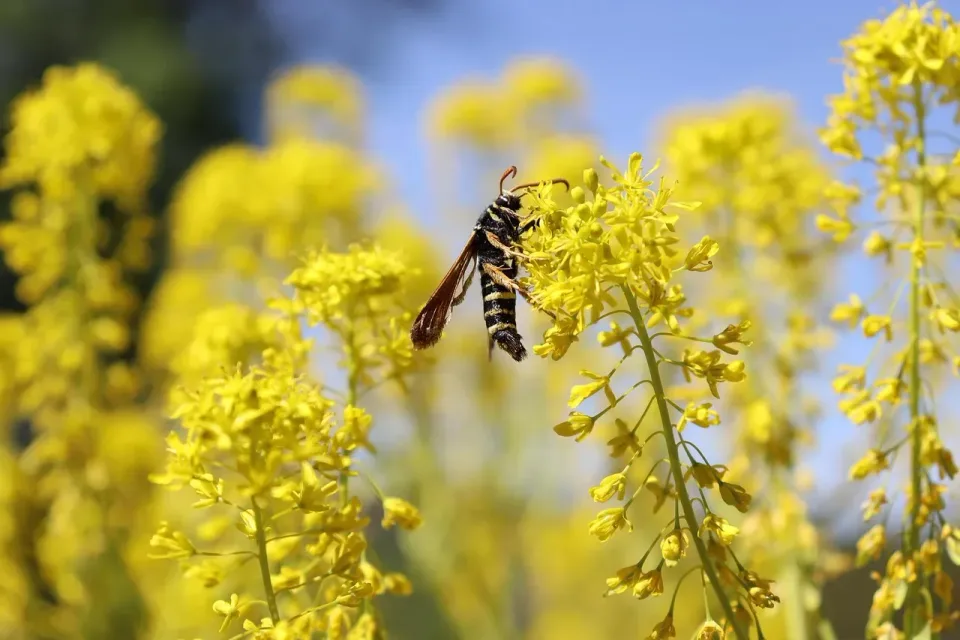
Pest Control in Fall River, MA for Homes Dealing with Cockroach Extermination, Wasp Nest Removal and Hornet Nest Removal
Fall River's granite mill buildings and triple-decker apartments share something besides age: the gaps, shared walls, and damp basements that let pests travel between units.
- Serving since 2016
- Massachusetts pesticide applicator licensing
- National Pest Management Association membership
- Serving since 2016
- Massachusetts pesticide applicator licensing
- National Pest Management Association membership
We serve homeowners and landlords across Flint Village, North Fall River, and Steep Brook with pest control built around how these older properties actually hold up through a coastal humid continental climate. Our season starts when fall leaf litter piles up along Victorian wood-frame foundations in Bowenville and Fighting Rock Corner that shelter gives ticks and rodents a place to ride out the cold, and they move indoors as the heating season begins. Humid summers are a different problem: mosquitoes breed in standing water near the Quequechan River, ticks stay active in shaded yards, and moisture pests thrive in crawlspace damp. Winter matters too, because snow and ice can limit exterior treatments, so we time perimeter work before the ground freezes. If you hear scratching inside bedroom walls or find droppings under the kitchen sink, we identify the pest, explain the entry point, and treat it. Call (855) 681-0299 and we will schedule an inspection that fits your block, not a generic route.
Who Handles Pest Control in Fall River, MA
Fall River’s housing stock is unlike most of Bristol County. Dense urban neighborhoods combine older buildings and shared walls, which means a mouse problem in one Flint Village unit rarely stays there, and coastal humidity can worsen crawlspace and basement damp that draws insects toward the Quequechan River waterfront and beyond. Nor’easters add their own pressure hurricanes and tropical remnants can bring heavy rainfall that floods basements and pushes rodents upward into living space.
We schedule inspections around your availability, explain what we find in plain language, and match the treatment to the pest instead of selling a package. Expect a written finding, a practical plan, and follow-up on the prevention steps that keep the problem from repeating. Our dispatch is based in Massachusetts, so routing to Fall River is same-week in most cases.
How We Treat Common Fall River Pest Jobs
Three call types dominate our Fall River schedule. First, rodents: long heating seasons encourage rodents into buildings, and once inside a triple-decker’s shared walls they spread fast.
We set tamper-resistant bait stations, place glue boards along run paths, and seal the entry gaps we find. Second, basement flooding: sudden downpours can flood basements and disturb rodents, so after heavy rain we re-check exclusion work and monitor stations.
Third, summer insects: summer heat increases insect activity and indoor infestations, and coastal towns often experience stronger winds and salt air that push pests toward sheltered structures including homes near the Braga Bridge.
A typical visit follows a set order:
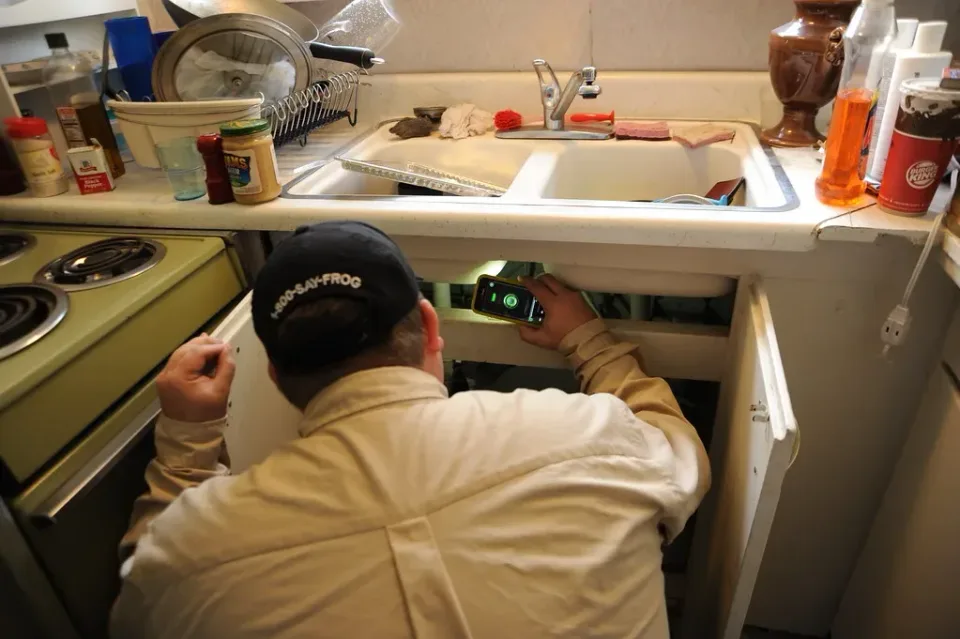
Inspect the foundation, basement, and kitchen lines first. Identify the exact pest before choosing a product. Treat cracks, crevices, and harborage directly. Schedule a follow-up to confirm activity has stopped.
One self-check: run a hand along the sill plate behind your washer greasy rub marks or droppings mean rodent traffic.
How Does Fall River Weather Change Treatment Timing?
Cold winters; snow and ice can limit exterior treatments that is the single biggest scheduling constraint we face here. A perimeter barrier sprayed in December around a Victorian home near Fall River Heritage State Park may never activate properly under snow cover, so we push exterior work into fall or early spring when the label directions can actually be followed.
Our approach follows EPA Integrated Pest Management principles: inspect, identify, exclude, and only then apply the least product that solves the problem. If you want to check an active ingredient yourself, the National Pesticide Information Center publishes plain-language fact sheets we often point customers toward.
The practical takeaway: book exterior treatments before the first hard freeze, and let us handle interior work during winter months. Call when you first notice activity rather than after a season has passed.
Neighborhoods We Serve in Fall River
We cover every Fall River neighborhood, and each one brings a different pest profile. Flint Village sits among former mill housing where shared walls let mice move unit to unit, so we often treat whole buildings, not single rooms.
North Fall River’s older homes sit on lots where spring freeze-thaw cycles expose foundation gaps cracks that were sealed last year can reopen by April, which is why we re-inspect exclusion work each spring. In Fighting Rock Corner, mature trees drop heavy leaf litter against wood-frame siding, creating harborage for rodents and ticks within a few feet of the structure.
Bowenville’s tight blocks mean a rat problem behind one property affects the neighbors, so we coordinate treatment timing. Steep Brook’s greener, wetter lots see more mosquito and tick pressure than the denser districts.
Fall River Station and downtown mix commercial blocks with apartments where cockroaches travel through utility chases. DIY pest control products rarely reach the nest or entry point a local pest control company with building knowledge saves repeat trips. Call us for a neighborhood-specific plan.
Why us
Why Choose Massachusetts Pest Pros for Pest Control in Fall River, MA
Local crews, plain explanations, and a schedule you can plan around.
Plain Talk First
Every technician explains the pest activity found on site, walks you through the treatment options, and leaves practical steps for sealing entry points before the truck pulls away.
Scheduled, Not Squeezed In
Routes across Massachusetts are coordinated so Fall River customers know when to expect a visit. You get a window, not a vague promise to show up sometime that week.
Trained and Accountable
Technicians hold Massachusetts pesticide applicator licensing and the company belongs to the National Pest Management Association, so treatments follow label directions and current industry practice on every visit.
Our process
Pest Control in Fall River, MA: What Happens on a Visit
From the first call to the final check, here is how a standard job runs.
Confirm the Pest
The visit starts with identifying the exact target, because ant, roach, and rodent treatments differ. Confirming the pest first keeps the product choice and placement matched to the actual problem.
Inspect and Explain
The technician checks the areas where activity shows, then explains what was found and why. You hear the findings in plain language before any treatment decision gets made.
Treat the Targeted Areas
Treatment goes where the confirmed pest actually travels, with children and pets kept away from active areas and product-label re-entry instructions reviewed before the technician leaves.
Follow Up on Evidence
When monitoring shows continued activity, a follow-up inspection gets scheduled. You also leave with practical steps for sealing entry points and reducing the conditions that drew pests in.
Warning signs
Early Signs Worth a Call
Mud Tubes on the Foundation
Mud tubes running up foundation walls or along sills are a termite sign worth taking seriously. Termites build these protected tunnels between soil and wood, so finding one means activity is close. Leave the tube intact and have it inspected, since breaking it open only pushes the colony deeper.
Roaches When the Lights Come On
Cockroaches that scatter when a kitchen light switches on at night signal an established population, not a stray wanderer. They hide in wall voids and appliance gaps during the day and feed after dark. Seeing them regularly after lights out means the hiding spots are close by and worth a professional look.
Piles of Wings on Windowsills
Small stacks of discarded wings on a sill or floor near a sliding door often mean swarming termites or flying ants have exited nearby wood. The two look alike at a glance but need different treatments. Collect a few wings in a bag and have them identified before buying anything off a shelf.
Through the year
Pest Pressure Through the Year in Fall River
Spring
Warmer days push ant colonies out of their winter spots and into kitchens, often along the same trails year after year. Coastal damp keeps soil around foundations soft, which makes early inspections useful. Booking before trails reach the counters means treatment happens at the source instead of chasing strays across the countertop.
Summer
Ticks stay active in grassy and brushy edges through the summer, and coastal humidity keeps them comfortable. Wasps build through the season too, turning eaves and branches into nest sites. A yard-focused visit during these months cuts down what gets carried indoors and catches wasp nests while they are still small.
Fall
Cooler nights send mice and other rodents looking for warm walls, and Fall River's older multi-family buildings offer plenty of ways in. Nor'easter season adds wind-driven rain that pushes pests toward dry shelter. Sealing entry points in the fall costs less than fighting an indoor population all winter.
Winter
Winters run milder along the coast than inland, which means roaches and mice keep moving inside heated buildings instead of slowing down. Interior treatments and inspections land well in these months because activity concentrates indoors. It is also a good stretch to line up prevention before spring brings ants back.
Common situations
What Changes After a Visit
Ant Trails Across the Counters
Ants crossed the kitchen counters every morning, trailing in from an unknown point along the exterior wall. Wiping them down and storing food tighter slowed nothing, and the trail reappeared in the same line day after day no matter how often the counters got cleaned.
The technician confirmed the ant species, traced the trail back to the entry point, and treated along the path the colony was using. Sealing recommendations covered the gap where ants came in, and follow-up checks confirmed the trail had stopped reforming on the counters.
Before you hire
Questions to Ask Before You Hire
Are your technicians licensed pesticide applicators in Massachusetts?
Licensing means the person applying product has been trained on label directions, mixing, and re-entry intervals. Massachusetts requires it for professional application, and a company that can confirm it on request is one that treats the rules around your home and family as part of the job, not an afterthought.
How do you schedule and confirm visits?
A company that coordinates routes can tell you when to expect the technician instead of leaving you waiting all day. Ask how arrival windows are communicated and what happens if a visit needs to move, because steady scheduling matters as much as the treatment itself for repeat services.
What do I need to prepare before you arrive?
Good providers spell out prep: store food and dishes before interior application, keep children and pets away from active treatment areas, and report aquariums or sensitive occupants ahead of time. If a company never mentions preparation, ask directly, because skipped prep weakens the treatment and can put people and pets at risk.
How are follow-up visits and contract terms handled?
Some pests need more than one visit, so ask when follow-ups happen, what triggers them, and whether they cost extra. Get the terms in writing, including how either side ends the arrangement. Knowing this before signing prevents confusion later if activity continues after the first treatment round.
Ready to get started?
Call to talk through your job in Fall River.
10+
Years serving Fall River
21
Areas served
Pest Control FAQs in Fall River, MA
Straight answers for customers in Fall River on pricing, delivery, and scheduling.
How much does pest control cost in Fall River, MA?
Mouse service typically runs $200–$600 depending on entry points and follow-up visits, rat work $300–$900 based on infestation size and exclusion needs, ant treatment $150–$400, bed bug treatment $500–$1,500 by rooms and method, and termite treatment $800–$3,000 by structure size. Final quotes vary by infestation, property access, treatment method, and site conditions we confirm pricing after inspection.
Why do mice keep coming back to my Flint Village apartment?
Shared walls in Fall River’s triple-deckers let rodents travel between units, and a mouse only needs a gap about 1/4 inch wide to get in. Spot-treating one unit fails when the entry point is in a common basement or wall chase. We inspect the whole building path, seal entry gaps, and place monitoring devices so re-infestation gets caught early.
When should I schedule termite inspection or treatment in Fall River?
Termite swarm activity often increases during spring, so early spring is the best window for a whole-home inspection check your foundation for pencil-width mud tubes near the base before then. Carpenter ants excavate galleries but do not eat wood, so frass piles and hollow-sounding trim point to a different treatment. We identify which pest you have before recommending either service.
Do you treat bed bugs and wasps in older Fall River homes?
Yes. Bed bugs hiding along mattress seams can survive months without feeding, so we confirm activity before treating and use HEPA-filtered vacuuming plus targeted crack-and-crevice work rather than blanket spraying.
For wasps entering gaps beneath porch eaves, we remove nests safely and seal the openings. Both services include a follow-up check to confirm the problem is resolved.
ZIP Codes We Serve in Fall River, MA
Pest Control covers every ZIP code in Fall River, MA.
Meet Your Local Experts

Daniel Mercer Lead Expert
Massachusetts Pest Pros
"Clear Answers. Targeted Pest Control."
I started in pest control working in Boston homes, where old foundations, shared walls, and basement utility lines often give rodents and insects a way inside. I built my work around explaining what I find and how to prevent a repeat problem, then expanded service across Massachusetts to address seasonal issues like spring ants and summer ticks.
Get a Pest Control Quote in Fall River, MA
Share job details below or call our team directly. Phone: (855) 681-0299
Service Areas Within 30 Miles of Fall River
Pest Control is also available in these nearby communities.