Skip to content
Tick — Pest Control

Pest Control · Medford, MA

Pest Control in Medford, MA for Tick Yard Treatment, Flea Extermination and Carpenter Bee Treatment

Medford homes sit close to the Middlesex Fells Reservation and the Mystic River, which means wildlife, ticks, and moisture pests never stay in the woods for long.

  • Serving since 2016
  • Massachusetts pesticide applicator licensing
  • National Pest Management Association membership

Request a quote

Tell us what you need and we will call you back.

Request a quote

Our crew works these neighborhoods every week Medford Square, Hillside, and North Medford so we know how the city's Victorian and Colonial homes and triple-decker wood-frame housing give pests a foothold. Warm, humid summers support mosquitoes, ticks, and moisture pests in shaded yards, and coastal humidity can worsen crawlspace and basement dampness in older foundations. Winters change the game entirely. Snow and ice can limit exterior treatments, so we time perimeter work and exclusion before the first hard freeze whenever we can. We handle tick yard treatment, flea extermination, carpenter bee treatment, rodent exclusion, and full pest inspection across Medford. Call (855) 681-0299 and we will walk your property, explain what we find in plain language, and match the treatment to the pest not to a package.

How to Get Reliable Pest Control in Medford, MA

Medford packs a lot into 22,000 residents’ daily map Tufts University rentals in Hillside, the historic Royall House and Slave Quarters, and homes backing up to the Middlesex Fells. Dense urban neighborhoods here combine older buildings and shared walls, which is why a mouse problem in one triple-decker unit rarely stays in that unit.

Summer heat increases insect activity and indoor infestations, and wet springs can increase standing-water mosquito breeding sites in yards near the Mystic River. What that means for you: timing and building type matter more here than in newer suburbs.

We schedule around your building’s access basement entries, shared hallways, porch eaves and we explain what is attracting pests, what we treat, and what prevents a repeat. Expect a written findings summary after every visit, not a vague invoice.

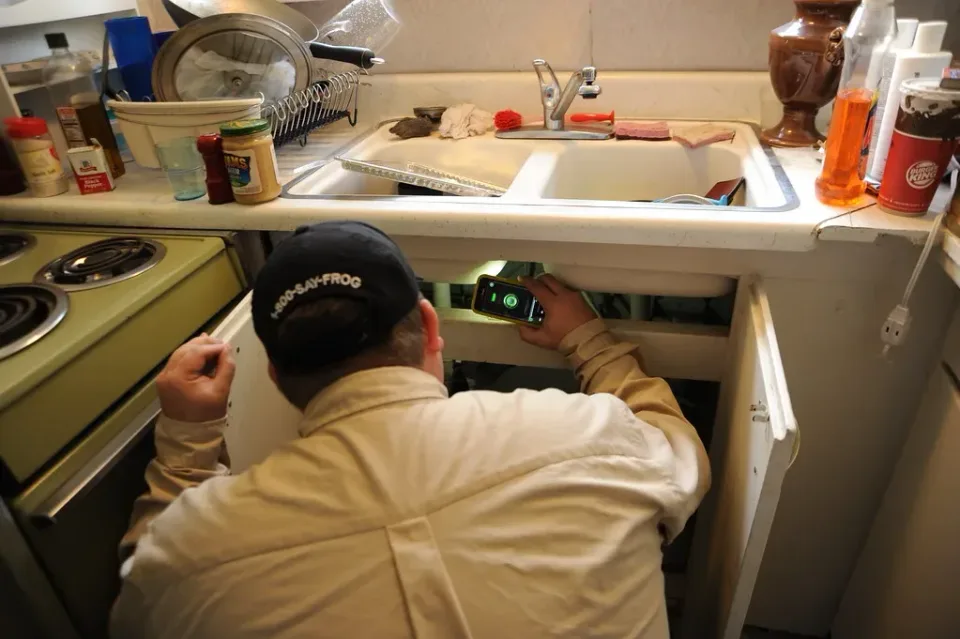
Pest Control Technician — Residential Service

Which Pest Calls Do We Get Most in Medford?

Rodents in winter, ticks in fall, and carpenter bees in spring that is the Medford call pattern in our logbooks. Long heating seasons encourage rodents into buildings, and once snow cover conceals exterior entry points, mice and rats work openings nobody can see under the drifts.

Spring freeze-thaw cycles expose foundation gaps in the city’s older homes, so a crack that was tight in October becomes a doorway by April. Fall leaf litter creates shelter for ticks and rodents along yard edges near the Fells.

Here is what we handle most:

  • Rodent exclusion and mouse extermination for triple-deckers and older basements
  • Tick yard treatment and flea extermination for shaded, wooded lots
  • Carpenter bee treatment and powderpost beetle treatment for wood trim and porches
  • Ant extermination and cockroach extermination in shared-wall apartment buildings One self-check: run your hand along the foundation sill inside the basement after a thaw and look for daylight or grease marks. If you find either, call us before the next generation nests.

Water, Snow, and Old Foundations Drive Medford Treatments

Medford’s position along the Mystic River shapes our work more than anything else. Nor’easters bring heavy snow, wind, and occasional flooding to low-lying streets near the river, and sudden downpours can flood basements and disturb rodents pushing rats and mice upward into living floors within days. Homes near Wright’s Tower and the Fells edge sit against wooded slopes where moisture collects, so we pair every rodent or insect treatment with moisture control: fixing drainage, venting damp crawlspaces, and sealing the gaps water leaves behind.

We follow EPA Integrated Pest Management principles, which means we identify the pest, correct the condition that supports it, and use the least-toxic effective treatment first. That matters in Medford’s dense blocks where a broadcast spray affects more than one household.

When a Medford Square basement floods or a Hillside triple-decker hears scratching overhead, we inspect the water path first. If you are seeing activity after a storm, call us and we will trace it to the source.

How to Reach Us Across Medford Neighborhoods

We cover every Medford neighborhood, and each one brings a different job to our trucks. North Medford homes sit closest to the Middlesex Fells edge, so tick yard treatment and rodent exclusion lead the call list there.

Hillside, with its Tufts-adjacent student rentals and brick apartment buildings, generates most of our cockroach extermination and bed bug treatment work in shared-wall housing. Medford Square mixes Victorian and Colonial homes with storefronts, where carpenter bee treatment on porch trim is a spring staple.

Glenwood and Medford Hillside have older homes with basements, and we run rat extermination and moisture checks there after heavy rain. West Somerville border streets see the same dense housing pattern, so we treat building-wide, not unit-by-unit. Call (855) 681-0299 and tell us your street we will tell you what we typically find there.

Why us

Local Pest Control in Medford, MA

Medford homeowners call us because we explain what we find and fix the actual source of the problem.

Local Building Knowledge

Old Medford foundations, shared walls, and basement utility lines give rodents and insects easy ways inside. We started in Boston-area homes like these, so we know where to look and how to seal the gaps that keep bringing pests back.

Clear Explanations

Every technician explains the pest activity found during the visit, walks you through the treatment options, and points out practical steps you can take. You finish the appointment knowing what caused the problem and how to prevent a repeat.

Scheduled Routes

We coordinate inspection and treatment routes across Massachusetts so you know when to expect your visit. No waiting around all day wondering if a truck will show up you get a window and a technician who arrives in it.

Our process

How a visit works

Here is how a typical service call moves from your first phone call to a finished job.

01

Phone Call and Scheduling

You describe what you are seeing sounds in the walls, droppings, trails, or stings. We confirm the target pest, answer your questions, and schedule an inspection during a route window so you know when we will arrive.

02

Inspection and Findings

The technician inspects the affected areas and any entry points, then explains exactly what pest activity is present and why. You get a clear picture of the scope before anyone talks about treatment.

03

Treatment Options

We discuss the treatment choices that fit the pest and your property, including what preparation you should handle, like storing food and keeping children and pets away from active treatment areas. You approve the plan before work starts.

04

Treatment and Prevention

The crew completes the agreed treatment and notes practical steps for sealing entry points or reducing conditions that attract pests. If monitoring later shows activity, we schedule a follow-up inspection to check on it.

Typical jobs

Typical jobs in Medford, MA

Across pest control calls, the most common reasons people reach out are general pest control, rodents and ants.

Typical job

Scratching sounds coming from inside bedroom walls

A technician inspects the wall voids and utility lines, confirms the rodent activity, and explains where they are entering before discussing treatment options with the homeowner. The homeowner learns which entry points need sealing and gets a treatment plan matched to the confirmed pest, not a guess.

Typical job

A wasp nest hanging from a tree

The crew locates the nest, confirms the species before selecting a treatment, and treats it from a safe distance while keeping the area clear of people and pets. The nest is treated and the homeowner gets advice on watching for wasps reusing gaps beneath eaves or branches near doorways.

Typical job

A landlord needs an estimate for a

A technician inspects the apartment units, checks mattress seams and hiding spots, and provides an inspection summary with a quote for heat treatment based on what the job actually requires. The property owner gets a written scope for the heat treatment and preparation steps tenants should complete before service day.

Warning signs

Warning signs to watch for

Mud Tubes on the Foundation

Mud tubes along a foundation are a classic termite sign. Subterranean termites build these pencil-width tunnels to travel between soil and wood. If you spot them near your foundation, schedule an inspection before the colony spreads into structural wood.

Roaches After Dark

Cockroaches appearing once the lights go out mean an established population. They hide in wall voids and under appliances during the day. Seeing them at night, or finding small droppings near the stove or sink, means it is time for a professional inspection.

Ant Trails on Counters

A steady line of ants crossing your kitchen counters means scouts found food and told the colony. Wiping them away does not touch the nest. Trailing ants usually point to a colony outside that needs treatment at the source.

Through the year

Pest pressure through the year

Spring

Spring ants are one of the most common calls we get in Massachusetts. Warming soil pushes colonies to send scouts indoors for food and water. Booking an inspection in spring catches ant problems before trails establish inside your kitchen.

Summer

Summer brings ticks to yards and wasps to eaves, branches, and porch gaps. We treat nests and advise on reducing the conditions that draw stinging insects close to doors and play areas. Summer is also the right time for a tick check before backyard use peaks.

Fall

As temperatures drop, mice and other rodents push toward warm wall voids, basements, and utility lines. Fall is the best time to seal entry points before rodents settle in for the cold months and start nesting inside walls.

Winter

Nor'easters and cold snaps drive pests deeper into homes, and activity hidden in wall voids continues all winter. Winter inspections catch rodents and insects sheltering indoors, plus early signs of problems before spring warming wakes them up.

Before you hire

Questions to ask before you hire

Q1

Are your technicians licensed pesticide applicators?

Massachusetts requires pesticide applicator licensing. Asking confirms the person treating your home is trained and legally authorized to apply products.

Q2

What do I need to do to prepare for service?

Good providers tell you upfront: store food and dishes, keep children and pets away from treatment areas, and report pets, aquariums, or sensitive occupants before the visit.

Q3

What are the contract terms and follow-up policy?

Ask whether follow-up inspections happen when monitoring shows activity, what the agreement commits you to, and how either side can end the arrangement.

Ready to get started?

Call to talk through your job in Medford.

10+

Years serving Medford

21

Areas served

FAQ

Pest Control FAQs in Medford, MA

Straight answers for customers in Medford on pricing, delivery, and scheduling.

How much does pest control cost in Medford, MA?

It depends on the pest and the structure. Mouse service typically runs $200–$600 depending on entry points and follow-up visits, rat work $300–$900 based on infestation size and exclusion needs, ant treatment $150–$400, bed bug treatment $500–$1,500 by room count and method, and termite treatment $800–$3,000 depending on structure size. Final quotes vary by infestation, property access, treatment method, and site conditions we quote after inspecting, never over the phone blind.

Do you treat yards for ticks near the Middlesex Fells?

Yes. Yards bordering the Fells or the Mystic River get the heaviest tick pressure in Medford, especially where fall leaf litter piles up along fence lines. Our tick yard treatment targets the shaded transition zones where ticks wait, and we time applications around the life cycle rather than the calendar. Homes in North Medford and Medford Hillside call us most often for this.

Can you handle carpenter bees on older Victorian trim?

Carpenter bee treatment is one of our most common spring calls in Medford Square and Glenwood, where Victorian and Colonial homes have the unpainted softwood trim carpenter bees prefer. We treat the galleries directly, seal them after the bees are eliminated, and recommend paint or stain as the long-term deterrent. Left alone, the same bees return and enlarge tunnels year after year.

What should I do before a treatment visit?

Identify the pest activity you have noticed and where, clear access to sinks and appliance areas, secure food and pet bowls, and provide attic or crawlspace access if we ask for it. Vacate treated rooms as directed and keep pets away until the re-entry time passes. We schedule follow-up after the initial treatment because monitoring especially for rodents often requires repeat visits.

ZIP code

ZIP Codes We Serve in Medford, MA

Pest Control covers every ZIP code in Medford, MA.

021550215302156
Local Leadership

Meet Your Local Experts

Daniel Mercer Lead Expert

Massachusetts Pest Pros

"Clear Answers. Targeted Pest Control."

I started in pest control working in Boston homes, where old foundations, shared walls, and basement utility lines often give rodents and insects a way inside. I built my work around explaining what I find and how to prevent a repeat problem, then expanded service across Massachusetts to address seasonal issues like spring ants and summer ticks.

10+ years experience Massachusetts pesticide applicator licensing National Pest Management Association membership
Get a Quote

Get a Pest Control Quote in Medford, MA

Share job details below or call our team directly. Phone: (855) 681-0299

Call Us

(855) 681-0299

Our Location

Medford, MA

Working Hours

Mon–Sun 8am–8pm